
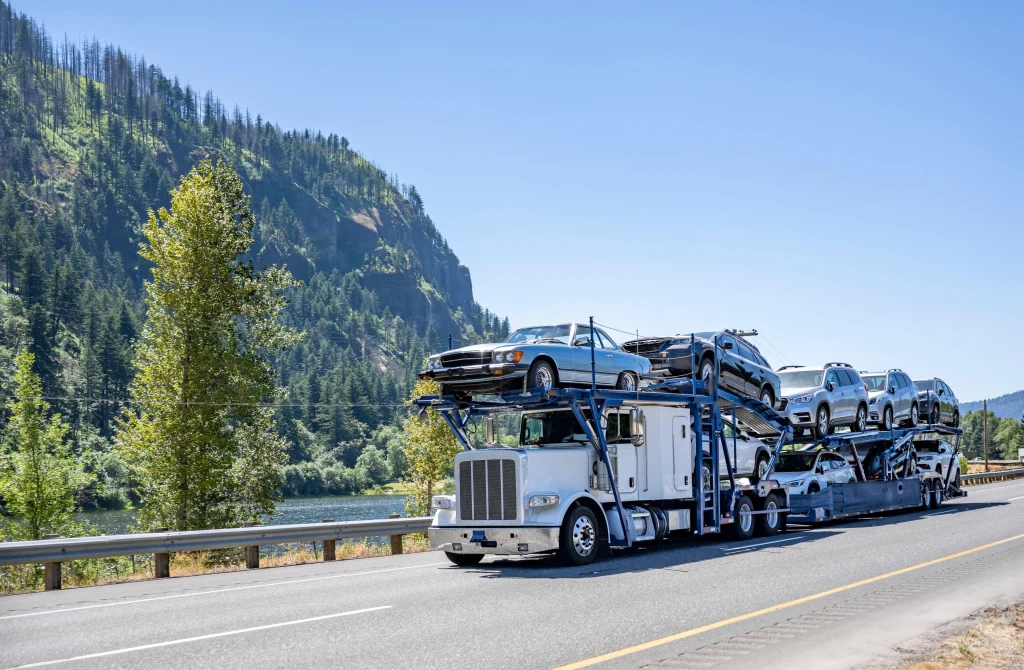
Shipping a vehicle can make a move, an online car purchase, or a long-distance relocation much easier. Instead of driving hundreds or thousands of miles, you can arrange professional vehicle transportation to move your car between locations. If you are considering car shipping from Los Angeles, California, understanding the process can help you prepare and make a confident decision.
At Citywide Vehicle Transport, we help customers explore vehicle shipping options, including open car transport, enclosed car transport, door-to-door auto transport, and state-to-state vehicle shipping.
1. Choose the Right Car Shipping Service
The first step is deciding which type of transportation fits your vehicle and budget.
Open car transport is a common option for standard cars, SUVs, and other everyday vehicles. Vehicles travel on an open carrier, making this an economical choice for many customers.
Enclosed car transport carries vehicles inside a covered trailer. It may be suitable for classic cars, luxury vehicles, collectible automobiles, and vehicles that need additional protection from weather and road debris.
Door-to-door auto transport focuses on convenient pickup and delivery locations. Depending on road access, local restrictions, and carrier availability, the driver may arrange a nearby safe and accessible meeting point.
State-to-state auto transport is useful when relocating, purchasing a car from another state, or moving a vehicle to family members elsewhere.
2. Request a Shipping Quote
Once you choose a service, provide the details needed to estimate your shipment. These typically include your pickup and delivery locations, vehicle make and model, vehicle condition, preferred shipping dates, and transport type.
The distance between locations is important, but it is not the only factor that affects pricing. Vehicle dimensions, route demand, seasonality, carrier availability, and pickup accessibility may also influence the quote.
Ask what the quoted price includes, whether the price is binding or estimated, what payment arrangements apply, and whether any additional fees could arise. Reviewing these details before booking helps avoid confusion later.
3. Schedule Pickup and Prepare Your Vehicle
After confirming the shipment arrangements, coordinate your pickup window and make sure the vehicle is ready.
Remove personal belongings and unnecessary accessories, keep the fuel level low but sufficient for loading and unloading, and make sure the vehicle is accessible. Take clear photographs of the exterior, including any existing scratches, dents, or other damage.
Tell the transport provider if the car is inoperable, has modified dimensions, or requires special loading equipment. Such details can affect the type of carrier needed and the final cost.
4. Understand Pickup and Inspection
At pickup, the vehicle’s existing condition should be documented through an inspection or condition report. Review the report carefully and keep a copy with your photographs.
Confirm the driver’s identity and the pickup arrangements before handing over the keys. Ask how you can contact the responsible transport representative if you have questions during transit.
Professional shipping arrangements should clearly explain who is responsible for transportation, what documentation is provided, and how to report concerns.
5. Track Progress and Prepare for Delivery
Transit time depends on distance, route conditions, traffic, weather, scheduling, and other factors. Ask for an estimated delivery window rather than assuming a specific arrival time is guaranteed.
Before delivery, make sure the destination has enough space for safe unloading. If a large carrier cannot reach your street, the driver may arrange an accessible nearby location.
Inspect the vehicle when it arrives. Compare its condition with the pickup report and your photographs, and document any newly observed damage before completing the delivery paperwork, following the applicable reporting procedure.
6. Review Insurance and Payment Details
Before booking, ask about the carrier’s cargo insurance, applicable coverage limits, exclusions, and the process for filing a claim. Do not assume that every type of damage or personal belonging is covered.
Read the service agreement carefully, including cancellation terms, payment responsibilities, estimated dates, and the procedure for resolving disputes.
Ship Your Vehicle with Greater Confidence
Car shipping can simplify a relocation or vehicle purchase when you understand the steps involved. Choosing the right transport method, providing accurate vehicle information, preparing your car, and reviewing the agreement all contribute to a smoother experience.
Citywide Vehicle Transport offers information about open and enclosed car transport, door-to-door auto transport, and state-to-state vehicle shipping. Contact our team at (213) 753-1699 to discuss your shipment and request a quote.