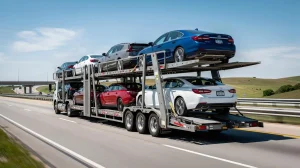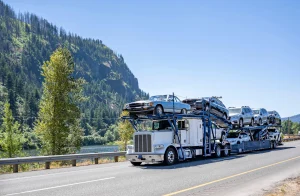

State-to-state auto transport helps move vehicles between locations in different states without requiring owners to drive the entire distance themselves. Citywide Vehicle Transport helps customers explore interstate car shipping options for relocations, vehicle purchases, and other long-distance transportation needs.
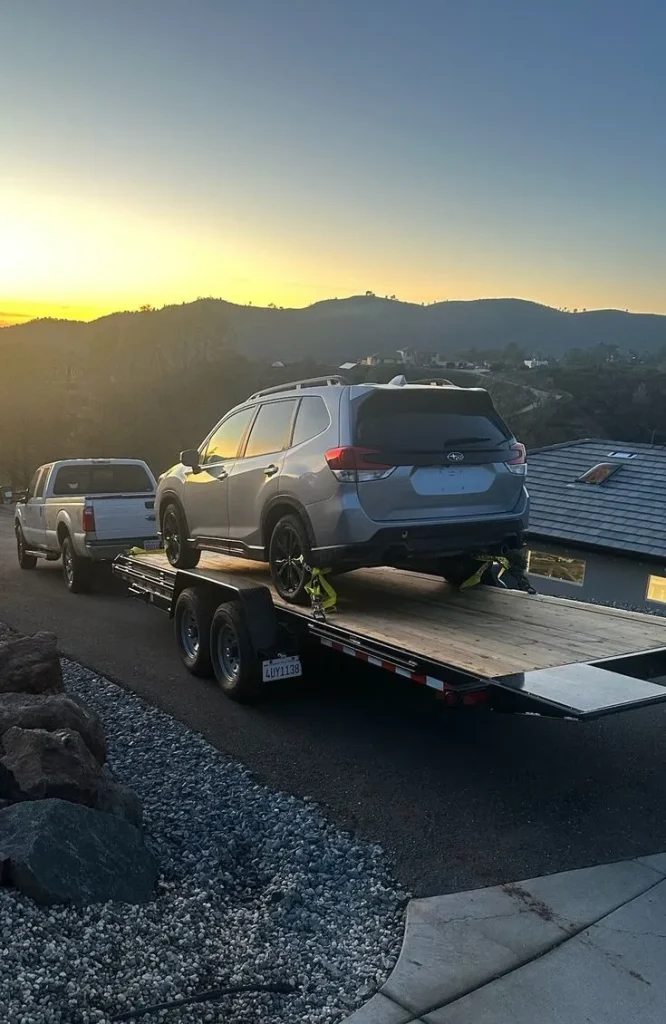
Planning to move your vehicle from California to another state? Whether you are relocating for work, purchasing a car from an out-of-state seller, moving closer to family, or arranging transportation for a second vehicle, state-to-state auto transport can simplify your plans.
Citywide Vehicle Transport helps customers explore interstate vehicle shipping options from Los Angeles, California, to destinations served by its transportation arrangements. Instead of planning an entire long-distance drive, you can consider having your vehicle transported by an appropriate auto carrier.
State-to-state auto transport involves moving a vehicle between locations in different states. The service can be useful for individuals, families, vehicle buyers and sellers, and businesses with eligible transportation needs.
Depending on your vehicle and preferences, transportation may use an open carrier or an enclosed trailer. Pickup and delivery may also be arranged near your requested addresses when road access and carrier conditions permit.
The details of each shipment depend on the route, vehicle dimensions, operating condition, carrier availability, and requested schedule. Review your quote and booking agreement to understand exactly what is included.
Relocating often involves packing, housing arrangements, travel, and other responsibilities. Shipping your vehicle can reduce the need to drive it hundreds or thousands of miles yourself.
A vehicle purchase from a distant seller may provide the right model, features, or price, but collecting the vehicle personally can require substantial time. Interstate shipping offers an alternative when the seller and buyer agree on the transportation arrangements.
You may need to move a vehicle to a family member who lives in another state. Arranging professional transportation can help coordinate the transfer without requiring a long-distance trip.
Some people relocate temporarily for work, education, or personal reasons. Depending on the situation, transporting a vehicle may be more practical than driving it to the destination and back.
Businesses may require vehicles to be moved between offices, customers, dealerships, or other locations. Availability and terms depend on the vehicle type, route, and specific shipment requirements.
Long-distance driving requires planning for fuel, meals, accommodation, rest breaks, and changing road conditions. Shipping a vehicle can reduce the need to undertake the entire drive yourself.
A transportation provider can help coordinate pickup, carrier arrangements, and delivery according to the confirmed shipment details.
Open car transport may suit many standard vehicles and is generally more economical than enclosed transport. Enclosed shipping may be appropriate for classic, luxury, or specialty vehicles that benefit from reduced exposure to outdoor conditions.
Whether you are relocating, purchasing a vehicle, or arranging a family vehicle transfer, interstate shipping provides a way to move an eligible car without relying entirely on personal driving.
Start by requesting a quote. Provide your pickup and delivery locations, vehicle year, make and model, operating condition, preferred dates, and transport preference.
Review the quote to understand the price, payment terms, estimated pickup and delivery windows, cancellation conditions, and any additional charges that could apply under the agreement.
After the booking is confirmed, prepare your vehicle according to the transport provider’s instructions. Remove personal belongings, document existing damage, and disclose any mechanical problems or modifications.
At pickup, review the vehicle condition report and retain a copy. Keep communication details for the responsible provider, and ask how you will receive shipment updates.
At delivery, inspect the vehicle and compare its condition with the original documentation. Record and report any concerns promptly through the carrier’s applicable procedure.
There is no single price for every interstate vehicle shipment. The total cost depends on several variables:
For a meaningful estimate, provide accurate shipment information and confirm the terms in writing before committing.
Transit time varies according to distance, route, weather, traffic, pickup scheduling, carrier availability, and required stops.
Ask for an estimated pickup window and delivery timeframe when requesting a quote. Treat these as estimates unless the written agreement explicitly provides a guaranteed service.
Maintain flexibility when possible, especially when your move involves strict housing or work schedules. Avoid making essential travel arrangements based solely on an unconfirmed vehicle arrival date.
Clean the vehicle when practical and photograph its exterior from multiple angles. Remove personal belongings and valuables, check the tires and battery, and keep the fuel level low but sufficient for loading and unloading unless instructed otherwise.
Inform the provider about non-running conditions, modified dimensions, low ground clearance, or other special requirements. Make sure authorized contacts can be reached at pickup and delivery.
Ask about carrier cargo insurance and retain the booking confirmation, inspection reports, and relevant communications until the shipment is complete.
Citywide Vehicle Transport helps customers explore vehicle shipping options from Los Angeles, CA, and destinations served by its transportation arrangements.
Our services include open car transport, enclosed car transport, door-to-door auto transport, and state-to-state auto transport. We encourage customers to compare their options, provide accurate vehicle information, and review the applicable terms before confirming a shipment.
Find answers to some common questions about car shipping and vehicle transportation.
Car shipping costs depend on the distance, vehicle size, transport type, route demand, pickup and delivery locations, and preferred dates. Enclosed transport generally costs more than open transport. Contact Citywide Vehicle Transport with your shipment details for a personalized quote.
Delivery time depends on the route, distance, traffic, weather, carrier availability, and scheduling. Ask for an estimated pickup window and delivery timeframe when requesting your quote. Estimates should not be treated as guaranteed dates unless confirmed in writing.
Open transport carries vehicles on an exposed carrier and is generally more economical. Enclosed transport carries vehicles inside a covered trailer, helping reduce exposure to weather and road debris. Your choice depends on your vehicle, budget, and protection preferences.
Pickup and delivery can often be arranged at or near your requested locations. However, carrier size, road restrictions, parking rules, and safety conditions may require a nearby accessible meeting point. Confirm accessibility before booking.
Remove personal belongings, photograph the vehicle's condition, secure loose accessories, and inform the provider of any mechanical problems or modifications. Keep the fuel level low but sufficient for loading and unloading, unless different instructions are provided. Review the pickup inspection report and ask about applicable insurance coverage before shipping.