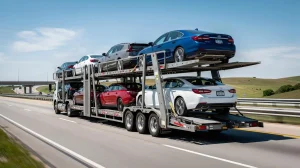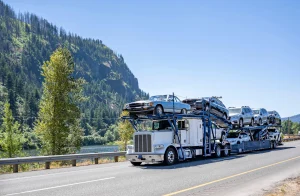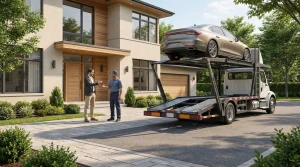

Door-to-door auto transport is designed to simplify vehicle shipping by arranging pickup and delivery as close as safely and legally possible to your requested addresses. Citywide Vehicle Transport helps customers coordinate convenient vehicle transportation based on route access, carrier availability, and shipment requirements.
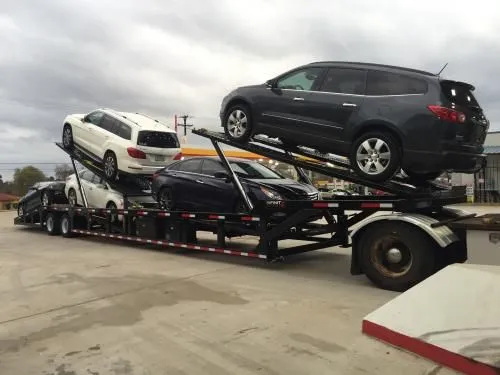
Moving a vehicle can involve more than arranging a truck. You may need to coordinate your work schedule, moving plans, family commitments, and vehicle availability. Door-to-door auto transport can simplify these arrangements by coordinating pickup and delivery near your chosen locations whenever road access and carrier conditions permit.
Citywide Vehicle Transport helps customers explore door-to-door vehicle shipping options from Los Angeles, California, and destinations served by its transportation arrangements. Whether you are moving to another city, purchasing a vehicle from a distant seller, or coordinating a long-distance relocation, this service can offer a convenient alternative to delivering and collecting a car at a distant terminal.
Door-to-door auto transport is a service in which pickup and delivery are arranged at or near the customer’s specified locations.
The term does not always mean a large carrier can stop directly outside your front door. Transport trucks require adequate road width, turning space, safe loading areas, and sufficient clearance. Local parking rules, traffic restrictions, gated communities, narrow residential streets, and overhead obstructions can affect access.
If a carrier cannot safely reach your exact address, the driver or transport representative may coordinate a nearby accessible meeting point. Confirm these details before pickup so everyone understands where the vehicle will be handed over.
If you are moving from Los Angeles to another city or state, door-to-door transport can help simplify vehicle logistics while you manage the rest of your move.
Purchasing a vehicle from a distant seller may involve coordinating transportation between two locations. A door-to-door arrangement can reduce the need for either party to make a long trip solely to deliver the vehicle.
People with limited time may prefer pickup and delivery near their home or workplace, where accessible and permitted. This can reduce the need to organize separate transportation to a distant terminal.
Depending on the shipment arrangement, door-to-door services may be useful for moving eligible vehicles between sellers, buyers, dealerships, and other destinations.
Pickup near your preferred location can make vehicle shipping easier to coordinate. You can discuss a suitable meeting point, availability window, and access requirements before the shipment is scheduled.
Arranging delivery close to your intended destination can reduce the additional travel required to collect the vehicle. The exact delivery point depends on safety, access, local regulations, and carrier restrictions.
Terminal-based shipping may require you to arrange transportation to and from designated facilities. A door-to-door arrangement can simplify this part of the process when suitable pickup and delivery access is available.
Door-to-door service may be arranged with open or enclosed transport, depending on the vehicle, route, carrier availability, and selected service. Confirm the actual transport type when reviewing your quote.
The first step is to request a quote with accurate pickup and delivery information. Provide the vehicle’s year, make, model, operating condition, preferred dates, and transport preferences.
The provider reviews the details and explains the available arrangements, pricing, and estimated schedule. Confirm whether the quote is binding or estimated and ask about payment requirements, cancellations, and potential additional charges.
After booking, prepare your vehicle and confirm the pickup contact, delivery contact, and communication arrangements. Make sure the agreed locations are accessible to the expected carrier.
At pickup, inspect the vehicle with the responsible representative and document its existing condition. At delivery, inspect it again, compare the condition reports, and follow the applicable reporting procedure if you identify a concern.
The cost depends on multiple factors, including:
Provide complete information when requesting a quote and ask whether any location-specific fees or other charges could apply.
Before pickup, remove personal belongings and take clear photographs of your vehicle. Inform the provider about mechanical issues, unusual dimensions, low ground clearance, or modifications that may affect loading.
Confirm that the pickup and delivery locations allow a transport truck to stop safely. If the carrier cannot access a narrow street or private property, agree on a suitable alternative location before the scheduled pickup.
Keep your phone available during the agreed window, and make sure the delivery contact understands the expected arrangements. Review the vehicle condition report at both ends of the shipment.
Before confirming your booking, ask which carrier will transport the vehicle and review the applicable cargo insurance information. Confirm the coverage limits, exclusions, and claims procedure.
Keep a copy of your quote, service agreement, booking confirmation, condition report, and important communications. Estimated pickup and delivery dates may change because of traffic, weather, carrier scheduling, or other circumstances.
Find answers to some common questions about car shipping and vehicle transportation.
Car shipping costs depend on the distance, vehicle size, transport type, route demand, pickup and delivery locations, and preferred dates. Enclosed transport generally costs more than open transport. Contact Citywide Vehicle Transport with your shipment details for a personalized quote.
Delivery time depends on the route, distance, traffic, weather, carrier availability, and scheduling. Ask for an estimated pickup window and delivery timeframe when requesting your quote. Estimates should not be treated as guaranteed dates unless confirmed in writing.
Open transport carries vehicles on an exposed carrier and is generally more economical. Enclosed transport carries vehicles inside a covered trailer, helping reduce exposure to weather and road debris. Your choice depends on your vehicle, budget, and protection preferences.
Pickup and delivery can often be arranged at or near your requested locations. However, carrier size, road restrictions, parking rules, and safety conditions may require a nearby accessible meeting point. Confirm accessibility before booking.
Remove personal belongings, photograph the vehicle's condition, secure loose accessories, and inform the provider of any mechanical problems or modifications. Keep the fuel level low but sufficient for loading and unloading, unless different instructions are provided. Review the pickup inspection report and ask about applicable insurance coverage before shipping.