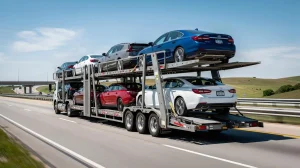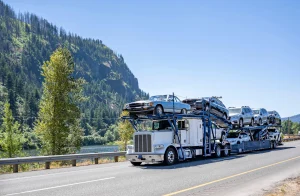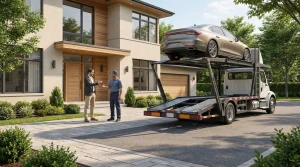

Enclosed car transport provides a covered shipping option for classic cars, luxury automobiles, collectible vehicles, and other specialty cars. Citywide Vehicle Transport helps customers explore enclosed vehicle shipping arrangements designed to reduce exposure to weather and road debris during transit.
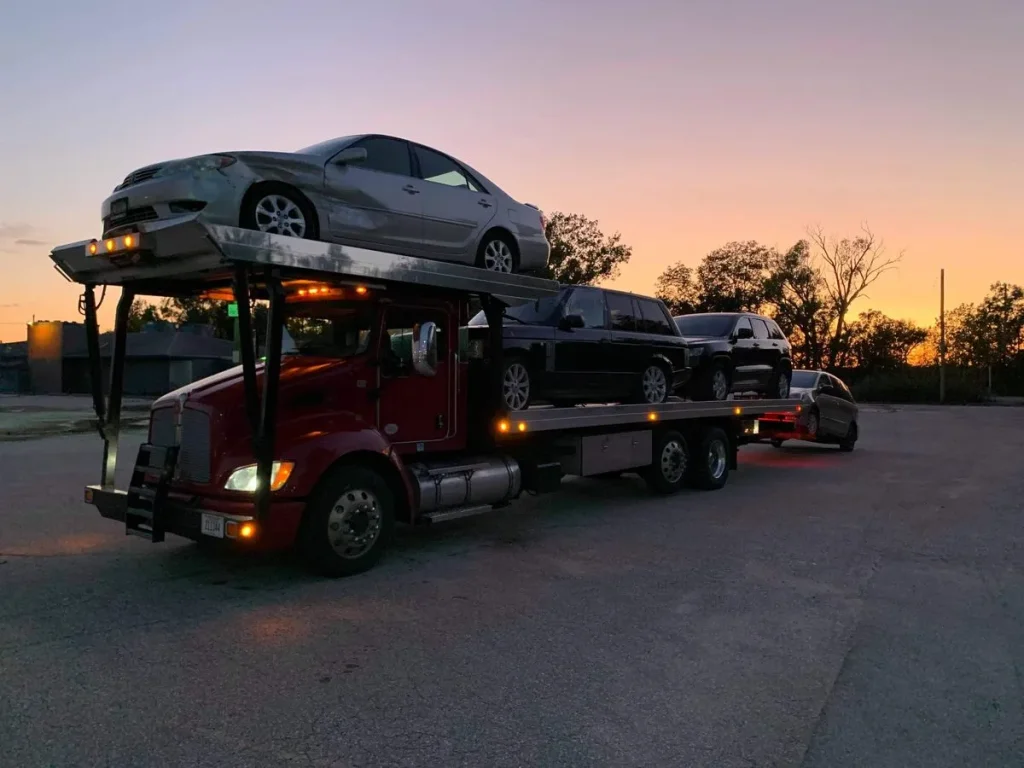
When your vehicle deserves additional protection during transportation, enclosed car transport may be the right option to consider. Citywide Vehicle Transport provides information and shipping arrangements for customers exploring enclosed auto transport from Los Angeles, California, to destinations served by its transportation network.
Whether you own a classic automobile, a luxury sedan, a collectible sports car, or a carefully restored vehicle, understanding enclosed shipping can help you select a transportation method that suits your priorities.
Enclosed car transport uses a covered trailer to carry vehicles during transit. Unlike an open carrier, an enclosed trailer surrounds the vehicle, helping shield it from direct exposure to weather and road debris.
The specific equipment and handling procedures depend on the carrier selected for your shipment. Some enclosed services may accommodate specialized vehicles or particular loading needs, subject to availability and vehicle specifications.
Although an enclosed trailer offers additional environmental protection, it does not eliminate every transportation risk. Customers should review the carrier’s insurance arrangements, handling procedures, and contractual responsibilities before booking.
Classic and vintage automobiles may have original paintwork, rare components, or finishes that owners want to protect. Enclosed shipping can reduce direct exposure to outdoor conditions during transportation.
Luxury vehicles may feature premium finishes, specialized equipment, and high-value components. Owners who prioritize reduced environmental exposure may prefer an enclosed carrier.
Sports cars and exotic automobiles may have low ground clearance, distinctive bodywork, or other special requirements. Tell the provider about these characteristics when requesting a quote so the appropriate equipment and loading arrangements can be considered.
Vehicles transported to exhibitions, shows, auctions, or collector events may benefit from the additional enclosure offered by covered transport.
If a vehicle has recently undergone restoration or paintwork, enclosed transport may help limit direct exposure to rain and road debris while it is being moved.
The most appropriate method depends on the individual vehicle, its value, your budget, and the available carriers.
A covered trailer helps protect the vehicle from direct exposure to rain, dust, sunlight, and road debris. This is one of the main reasons owners consider enclosed transport for specialty vehicles.
Enclosed transport provides an alternative to standard open-carrier shipping when the owner’s requirements call for a covered trailer or particular handling arrangements.
Owners of rare or high-value vehicles may feel more comfortable choosing a transport method that reduces exposure during transit. The actual protection offered depends on the trailer, carrier practices, and applicable shipment terms.
Some enclosed carriers may support specialized loading equipment or handling procedures. Discuss ground clearance, vehicle dimensions, modifications, and operating condition before confirming your shipment.
Open car transport is commonly selected for standard daily-use vehicles because it is generally more economical. Enclosed transport usually costs more, but offers a covered environment during transit.
Your decision should account for the vehicle’s characteristics, the level of exposure you are comfortable with, your budget, route availability, and scheduling requirements.
Neither option is universally best. For a standard commuter vehicle, open shipping may be sufficient. For a rare collectible or freshly restored automobile, the additional enclosure may justify the higher price.
The price of enclosed auto shipping may depend on:
Request a quote using accurate vehicle and route information. Ask what is included, whether the quote is binding, and whether additional charges may apply under specified circumstances.
Photograph the vehicle from multiple angles before pickup, documenting existing scratches, dents, paint imperfections, and other visible damage. Remove personal belongings and disclose any modifications or unusual loading requirements.
Confirm that the pickup location provides suitable access for the carrier. Ask about fuel levels, battery condition, alarms, keys, and any additional preparation requirements.
At pickup and delivery, review the applicable vehicle condition report and retain copies of all documentation. Confirm how concerns should be reported and review the carrier’s cargo insurance information before the shipment begins.
Citywide Vehicle Transport helps customers explore auto transport options based on their vehicle, route, and shipping preferences. We recognize that specialty vehicles may require different considerations from standard daily-use cars.
Our service options include enclosed car transport, open car transport, door-to-door auto transport, and state-to-state vehicle shipping. Availability, carrier selection, scheduling, and pricing depend on the details of each shipment.
Find answers to some common questions about car shipping and vehicle transportation.
Car shipping costs depend on the distance, vehicle size, transport type, route demand, pickup and delivery locations, and preferred dates. Enclosed transport generally costs more than open transport. Contact Citywide Vehicle Transport with your shipment details for a personalized quote.
Delivery time depends on the route, distance, traffic, weather, carrier availability, and scheduling. Ask for an estimated pickup window and delivery timeframe when requesting your quote. Estimates should not be treated as guaranteed dates unless confirmed in writing.
Open transport carries vehicles on an exposed carrier and is generally more economical. Enclosed transport carries vehicles inside a covered trailer, helping reduce exposure to weather and road debris. Your choice depends on your vehicle, budget, and protection preferences.
Pickup and delivery can often be arranged at or near your requested locations. However, carrier size, road restrictions, parking rules, and safety conditions may require a nearby accessible meeting point. Confirm accessibility before booking.
Remove personal belongings, photograph the vehicle's condition, secure loose accessories, and inform the provider of any mechanical problems or modifications. Keep the fuel level low but sufficient for loading and unloading, unless different instructions are provided. Review the pickup inspection report and ask about applicable insurance coverage before shipping.